Centrifuges are essential tools in laboratory environments, aiding in the separation of components in biological and chemical samples through high-speed rotation. However, centrifuge safety is paramount in ensuring both the accuracy of the results and the safety of laboratory personnel. High-speed rotation, while necessary for efficient operation, also introduces potential risks, such as imbalanced loads, rotor failure, and contamination. In this guide, we will explore key centrifuge safety protocols, including proper balancing techniques, rotor care, and infection control measures, which are crucial to maintaining a safe and efficient laboratory environment.
At GlanLab, we are committed to providing top-quality centrifuges that meet the highest safety standards. Our goal is to educate laboratory professionals about the importance of centrifuge safety and best practices to avoid common hazards and ensure safe operations.
Centrifuge Hazards You Must Know
While centrifuges are crucial in laboratory applications, they also come with inherent risks that must be mitigated through proper safety protocols. Below are the primary hazards associated with centrifuge use:
Imbalanced Load Hazards
One of the most common and dangerous risks in centrifuge operation is the imbalance caused by improperly loaded rotors. When the sample tubes are unevenly distributed, the rotor experiences uneven forces during rotation. This imbalance can lead to:
Excessive vibrations: These vibrations can damage the centrifuge and the sample, resulting in incorrect test results.
Increased strain on the motor: The centrifuge’s motor must work harder to maintain a stable rotation, which can reduce its lifespan.
Potential rotor failure: In extreme cases, an imbalanced load can cause rotor failure, leading to broken tubes or even explosions in rare instances.
It’s crucial to ensure that all loads are balanced properly before starting the centrifuge.
Rotor Failure, Vibration, and Debris Risks
Rotors are subjected to intense stress during centrifuge operation. Over time, this stress can lead to:
Cracks and fatigue: Small cracks in the rotor due to repeated use can weaken the rotor structure and lead to failure.
Vibrations: Damaged or worn rotors can produce vibrations, which not only affect the performance of the centrifuge but also cause damage to the samples.
Flying debris: If a rotor breaks or cracks, the flying debris can cause injuries to the operator or damage other equipment in the lab.
Regular rotor inspections and proper care are essential to preventing these risks.
Biological Sample Contamination Risks
Centrifuges used in biological laboratories pose additional hazards due to the potential for biohazard contamination. Aerosols can be generated during centrifugation, and if not contained properly, they can:
Spread contamination: Aerosols containing pathogens can spread throughout the laboratory, posing a risk to lab personnel.
Lead to sample cross-contamination: Improper containment of biological samples can lead to cross-contamination, affecting the reliability of the results.
To reduce these risks, it’s vital to use appropriate biohazard containment measures.
Mastering Balance and Load Distribution
Proper balancing is the most crucial aspect of centrifuge safety. Imbalanced loads can lead to catastrophic failure, whereas proper loading ensures efficient and safe centrifuge operation. Follow these guidelines to master load distribution:
Balanced Loading Examples
Tube Count | Placement Pattern | Notes |
2 | Opposite | Must be equal weight |
4 | Quadrant | Uniform mass distribution |
8 | Every slot | Optimal balance achieved |
By placing the sample tubes symmetrically and ensuring an equal distribution of mass, the forces on the centrifuge rotor will be balanced. For example, if you're using two tubes, place them opposite one another to ensure balance. For four tubes, place them in a quadrant pattern, ensuring that the weight is evenly distributed.
Additionally, always follow the manufacturer’s recommendations for the correct loading patterns specific to your centrifuge model. Incorrect placement can not only damage your equipment but also result in unreliable sample separation.
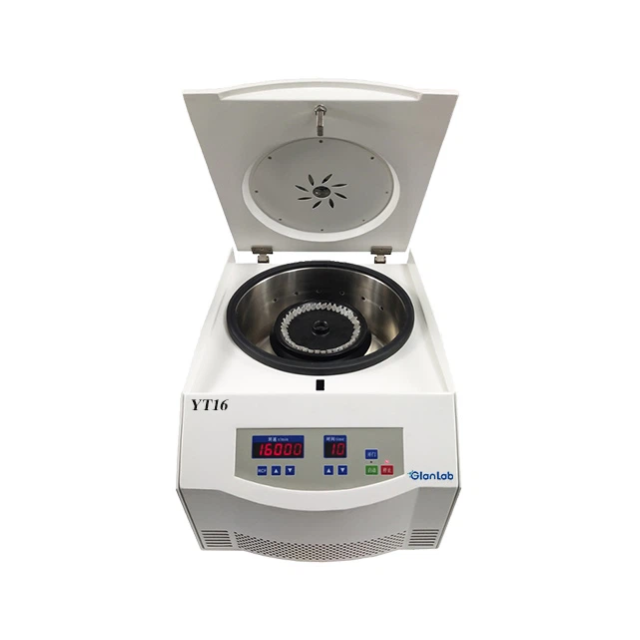
Rotor Care & Lifespan Protection
To ensure the safety and longevity of your centrifuge, rotor care is essential. Below are best practices to maintain the integrity and performance of your rotor:
Rotor Inspection
Before and after each use, visually inspect the rotor for signs of damage or wear. Look for:
Cracks: Any visible cracks can compromise the rotor's strength and safety. If cracks are present, the rotor should be replaced immediately.
Corrosion: Exposure to chemical reagents or biological samples can lead to corrosion. Make sure the rotor is cleaned thoroughly after each use to prevent corrosion buildup.
Wear and tear: Over time, rotors can suffer from stress-induced wear. Check for any signs of uneven surfaces or grooves.
Cleaning, Lubrication, and Storage
Proper cleaning and storage practices are also crucial for rotor longevity:
Cleaning: Clean the rotor after every use to prevent residue buildup. Use mild detergents that are compatible with your centrifuge rotor material to avoid corrosion.
Lubrication: Lubricate the rotor spindle and other moving parts according to the manufacturer’s instructions to ensure smooth operation and reduce friction.
Storage: When not in use, store the rotor in a dry, clean environment. Avoid leaving it exposed to high temperatures or moisture, which can accelerate degradation.
By following these simple steps, you can extend the lifespan of your rotor and ensure that it continues to function safely and efficiently.
Infection Control and Aerosol Safety
In laboratories where biological samples are being processed, infection control is crucial. The risk of aerosol contamination during centrifugation can be mitigated by adopting the following practices:
Cleaning and Disinfection Strategies
After each centrifuge run, ensure that the rotor, chamber, and any other exposed parts are thoroughly disinfected. This includes:
Disinfecting the exterior and interior: Use an appropriate disinfectant to wipe down all surfaces that may have come into contact with biological material.
Using containment seals: Make sure that your centrifuge is equipped with a proper lid and seal to prevent aerosols from escaping during operation.
Using Sealed Covers and Splash Guards
In addition to regular cleaning, using sealed covers and splash guards can help contain aerosols and prevent contamination:
Sealed covers: These lids are designed to contain potential aerosols inside the centrifuge chamber, which is particularly important when dealing with biological samples.
Splash guards: Using splash guards ensures that any accidental spillage is contained, reducing the risk of contamination.
Daily Safe Operation Protocols
Safety should always be a priority when operating a centrifuge. Here are some essential daily safe operation protocols:
PPE, Checklists, and Avoiding Errors
Personal Protective Equipment (PPE): Always wear appropriate PPE, such as gloves, safety goggles, and lab coats, to protect yourself from potential hazards.
Checklists: Before starting the centrifuge, ensure that all safety checks have been completed. This includes checking rotor balance, verifying that the lid is properly secured, and ensuring that the machine is set to the correct speed and time.
Error Prevention: Follow operating instructions carefully to avoid common errors, such as overloading the centrifuge, improper rotor placement, or failure to check for damage.
Emergency Shutdown Procedures
In case of malfunction, knowing how to safely shut down the centrifuge is essential. Most modern centrifuges have an emergency stop button that allows you to halt the operation immediately in the event of an emergency. Familiarize yourself with these procedures to minimize potential harm.
Conclusion
Centrifuge safety is vital to maintaining a secure and efficient laboratory environment. By mastering balancing techniques, regularly inspecting rotors, following strict infection control procedures, and adhering to daily safety protocols, you can ensure both the safety of your laboratory personnel and the reliability of your centrifuge results.
At GlanLab, we take safety seriously and provide high-quality centrifuges that meet rigorous standards. Regular maintenance, calibration, and the adoption of safety practices will help you create a safe and effective centrifuge culture in your laboratory.
FAQs
1. Why is proper load balancing important in centrifuge operation?
Proper load balancing is crucial for preventing imbalances that can cause vibrations, damage the rotor, and lead to operational failure.
2. How often should I inspect the rotor for wear and tear?
Inspect your rotor before and after each use to ensure it remains free from cracks, corrosion, and wear.
3. What can I do to prevent aerosol contamination during centrifugation?
Use sealed covers, splash guards, and ensure that proper disinfecting practices are followed after each run.
4. How can I ensure that my centrifuge remains safe to operate?
Follow daily safe operation protocols, wear appropriate PPE, check for damage, and ensure the rotor is balanced correctly before each use.


