Centrifuges are critical laboratory tools that perform high-speed separations for various samples. Proper centrifuge care is essential to ensure they perform at optimal levels and last for years. Regular maintenance not only improves the performance and efficiency of the centrifuge but also helps reduce operational costs over time. In this guide, we will explore how maintaining, monitoring rotor wear, preventing corrosion, and scheduling smart maintenance can all contribute to extending the lifespan of your centrifuge and minimizing the associated costs.
At GlanLab, we take pride in manufacturing high-quality centrifuges that are designed to last. By following the proper care and maintenance practices outlined here, you can maximize your centrifuge’s lifespan and ensure reliable performance.
What Affects Centrifuge Longevity?
The longevity of a centrifuge is influenced by several factors. By understanding these elements, you can adopt strategies that prevent premature wear and extend the lifespan of your equipment.
Environmental Factors
Centrifuges are exposed to various environmental conditions that can accelerate wear and tear. Factors such as humidity, temperature fluctuations, and exposure to corrosive materials can significantly impact the performance of the equipment.
Humidity: Excessive moisture can cause rusting and corrosion on metal components.
Temperature: Operating the centrifuge in extreme temperatures can shorten its lifespan and affect its performance.
Air quality: Dust and chemical fumes can build up in the machine, potentially damaging internal components.
By controlling environmental conditions, such as maintaining a dry, clean, and temperature-controlled environment, you can reduce the risk of environmental damage.
Usage Frequency
How often a centrifuge is used plays a significant role in its lifespan. Machines that are used more frequently experience more wear on their components, especially the rotor, bearings, and seals. High-frequency use without proper maintenance can lead to faster degradation of internal parts.
To extend the centrifuge’s life, try to manage its workload efficiently, using the centrifuge only when necessary and ensuring that it undergoes routine maintenance checks.
Maintenance Condition
Regular maintenance is the key to extending the life of any piece of equipment, including centrifuges. A well-maintained centrifuge will last longer and experience fewer problems. Neglecting maintenance, on the other hand, can lead to increased wear, mechanical failures, and even irreparable damage.
Daily and Weekly Care Strategies
Incorporating effective daily and weekly care routines is the most important factor in centrifuge care. The following table outlines a simple care plan that can be followed to ensure your centrifuge runs smoothly and lasts longer.
Table 4: Routine Care Plan for Longevity
Care Type | Frequency | Benefit |
Clean rotors | Daily | Reduces corrosion and residue |
Inspect seals | Weekly | Prevents leaks and ensures tight seal |
Lubricate hinges | Weekly | Ensures smooth operation |
Effective Cleaning and Lubrication
To maintain the optimal performance of your centrifuge, it is essential to clean the rotor and internal components after each use. Regular cleaning prevents build-up of residue or contaminants that can cause corrosion or wear on the rotor. Use mild detergents that are compatible with the materials of the rotor and centrifuge chamber.
Lubricating the hinges and moving parts weekly is also essential to ensure smooth operation. Proper lubrication reduces friction, prevents wear, and ensures that your centrifuge operates efficiently.
Preventing Rotor Corrosion and Wear
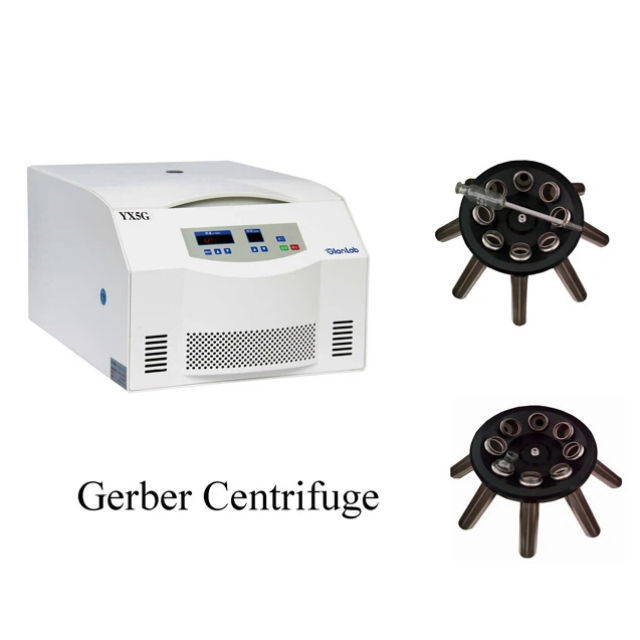
The rotor is one of the most critical components of your centrifuge, and it is subject to wear over time. However, there are several strategies to prevent rotor corrosion and reduce wear.
Chemical Protection, Dry Storage, and Proper Cleaning
Chemical protection: After each use, ensure that the rotor is cleaned of any chemicals or biological materials. Prolonged exposure to chemicals can cause corrosion, which can damage the rotor and affect its performance.
Dry storage: Always store the rotor in a dry environment. Humidity can cause metal rotors to rust, leading to corrosion and structural damage.
Proper cleaning: Use appropriate cleaning materials and methods that are gentle on the rotor but effective in removing residues. Make sure to follow the manufacturer’s instructions for cleaning and storing the rotor.
Metal Fatigue and Retirement Standards
Rotors, like any mechanical component, are subject to metal fatigue due to the stresses placed on them during centrifugation. Over time, the rotor will degrade, and it is essential to have a retirement standard in place to determine when it is time to replace the rotor.
You should regularly inspect your rotor for any signs of wear, such as cracks, corrosion, or uneven surfaces. If any of these signs are detected, the rotor should be replaced immediately to avoid the risk of rotor failure during operation.
Smart Maintenance Scheduling
An effective maintenance schedule is essential for ensuring your centrifuge remains operational for as long as possible. Proper scheduling helps prevent unnecessary breakdowns and extends the life of the equipment.
Semi-Annual/Annual Maintenance Plans
Routine maintenance should be performed every six months or annually, depending on usage frequency. This maintenance typically includes:
Thorough inspection of the centrifuge components, including the rotor, seals, and bearings.
Calibration of the centrifuge to ensure that it operates within specified parameters.
Replacement of worn or damaged parts, such as seals and bearings.
Regularly scheduled maintenance helps identify potential issues before they lead to costly repairs or downtime.
External Experts vs. In-House Teams
For specialized maintenance or calibration, consider using external experts who are trained in centrifuge service. External experts can provide high-level service, ensuring that the centrifuge remains in optimal working condition. However, basic maintenance tasks, such as cleaning and lubrication, can be carried out in-house by trained staff.
Cost Savings through Proactive Care
Investing in centrifuge care can lead to significant cost savings over time. By implementing regular maintenance routines and addressing issues proactively, you can reduce downtime and the need for expensive repairs.
Reducing Downtime
Proactive maintenance helps identify potential issues early on, preventing breakdowns and minimizing downtime. By keeping the centrifuge in good condition, you can ensure that it operates efficiently and continuously without interruptions to lab work.
Extending Warranty and Spare Parts Lifespan
Proper care can also extend the lifespan of your centrifuge’s warranty and its spare parts. By adhering to the manufacturer’s recommended maintenance schedule, you can prevent unnecessary damage to components, ensuring that they last longer and reducing the need for replacements.
Conclusion
In conclusion, the key to extending the lifespan of your centrifuge is consistent care and maintenance. By adhering to the best practices outlined in this guide, you can ensure that your centrifuge operates efficiently for years, reducing the need for costly repairs and replacements. Regular cleaning, inspection, lubrication, and smart maintenance scheduling are all essential components of a successful care strategy.
At GlanLab, we are committed to providing high-quality centrifuges that offer long-lasting performance. By following a regular maintenance schedule and adopting proactive care, you can extend the lifespan of your centrifuge and ensure optimal performance for your laboratory.
FAQs
1. How can I ensure my centrifuge lasts longer?
Regular cleaning, lubrication, and timely inspections are essential to extend the lifespan of your centrifuge. A well-maintained centrifuge will perform better and last longer.
2. What should I look for when inspecting the rotor?
Check for signs of wear, cracks, corrosion, or any other damage. If the rotor shows any of these signs, it should be replaced immediately.
3. How often should I clean my centrifuge?
Clean your centrifuge after every use to prevent the build-up of residue and contaminants. Rotor cleaning should be done daily, while the entire centrifuge should be cleaned weekly.
4. Can I perform maintenance on my centrifuge myself?
Basic maintenance tasks like cleaning, lubrication, and rotor inspection can be performed in-house. For advanced calibration or repairs, it's best to consult with professional technicians.


