A compact centrifuge may look simple, but the real question behind many buying decisions is whether performance truly meets daily needs. When users search for minispinplus centrifuge eppendorf rcf, they are not just comparing a number on a datasheet. They are trying to determine whether the available centrifugal force is enough to support their routine workflows. At GlanLab, we often work with customers who start from this exact comparison point and then expand their evaluation to a broader understanding of centrifuge performance and application fit.
Why Are Buyers Checking MiniSpin Plus RCF?
The search is really about suitability, not just one specification
When buyers look up MiniSpin Plus RCF, they are usually asking a deeper question: will this centrifuge handle their samples effectively? RCF is directly related to how well a centrifuge can separate components, so it becomes a key factor in determining whether a machine is suitable.
However, RCF alone does not tell the full story. The same level of force can produce different results depending on rotor design, sample type, and workflow requirements.
Why compact centrifuges attract so much attention
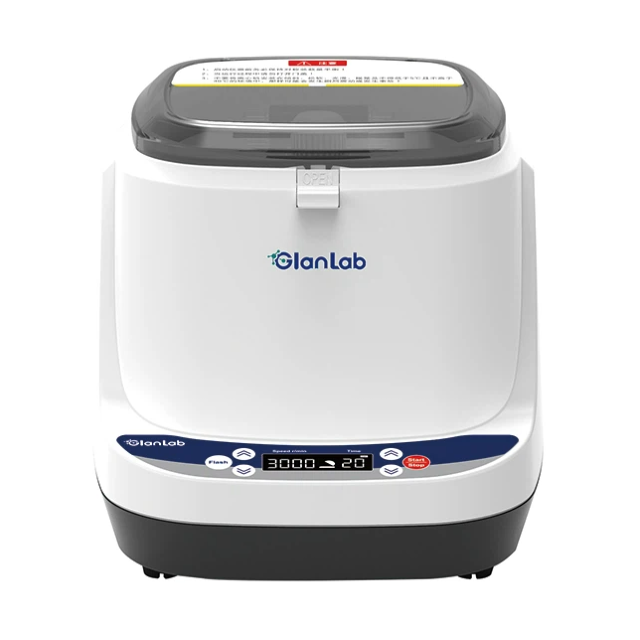
Compact microcentrifuges are popular because they fit easily into limited lab space and are convenient for quick tasks. They are often used for short spins, sample preparation, and routine processing.
Their simplicity and accessibility make them a common choice for small labs, teaching environments, and individual workstations. This is why comparisons around compact centrifuges are so frequent.
What Does MiniSpin Plus Offer on Paper?
Core performance points users usually compare first
When evaluating a compact centrifuge, buyers typically look at several key specifications. These include maximum RCF, RPM range, tube capacity, timer settings, and whether the machine offers quick-spin functionality.
These specifications provide a basic understanding of what the centrifuge can do, but they need to be interpreted in the context of real applications.
Why these numbers matter in actual workflows
For many users, the main goal is to perform quick and reliable spin-downs of microtubes. This could involve collecting droplets at the bottom of tubes, preparing samples for analysis, or separating small amounts of material.
In these situations, sufficient RCF ensures that samples are processed efficiently, while a compact design supports fast and convenient operation. However, users should always consider whether these capabilities match their actual workflow demands.
Is the RCF Enough for Typical Microcentrifuge Tasks?
Workflows where this level of force is often suitable
For routine laboratory tasks, such as molecular biology sample preparation, DNA extraction, or quick spin-downs, a compact centrifuge with moderate RCF is often sufficient.
These tasks usually involve small sample volumes and short processing times, making compact centrifuges an efficient solution.
Situations where users may need more than compact convenience
As workflows become more complex, the limitations of compact centrifuges may become apparent. Applications that require higher force, larger sample capacity, or precise temperature control may exceed what a small unit can provide.
In these cases, users may need to consider benchtop or refrigerated centrifuges that offer higher performance and greater flexibility.
What Else Matters Besides RCF?
Rotor design, capacity, and usability
RCF is important, but it is only one part of the equation. Rotor design determines how samples are positioned and how efficiently they are processed. Capacity affects how many samples can be handled at once.
Usability also plays a major role. Features such as intuitive controls, reliable lid mechanisms, and stable operation contribute to a smoother workflow.
Noise, heating, and daily operation
In many labs, centrifuges are used repeatedly throughout the day. Noise levels and heat generation can affect the working environment and the consistency of results.
A well-designed centrifuge should maintain stable performance without excessive noise or temperature fluctuations. This is particularly important in shared or high-use environments.
What Questions Should Buyers Ask Before Choosing a Compact Centrifuge?
Start with sample format and daily volume
The first step is to understand the type and volume of samples being processed. This includes the number of tubes, their size, and how frequently the centrifuge will be used.
For users handling small batches of microtubes, a compact centrifuge may be ideal. For higher throughput, a larger system may be more appropriate.
Check whether the protocol specifies x g or just RPM
Protocols often specify conditions in terms of RCF rather than RPM. This ensures consistent results across different machines.
Understanding whether a workflow requires a specific level of force helps users determine whether a given centrifuge meets their needs.
When Should a Buyer Look Beyond This Category?
When the work moves from micro-prep to clinical or high-throughput use
As laboratory needs grow, users may require equipment that supports larger volumes, higher speeds, or more advanced features.
Clinical laboratories, for example, often require centrifuges that can handle blood samples with consistent precision. Industrial or research settings may require higher capacity and more specialized configurations.
Why broader centrifuge selection still matters
This is where a wider product range becomes important. GlanLab offers a variety of centrifuge types, including benchtop, refrigerated, and specialized models designed for different applications.
By considering a broader range of options, users can ensure that their equipment continues to meet their evolving needs.
How to Turn Spec Comparison Into a Better Buying Decision
Compare based on application outcome, not just the brand keyword
Focusing only on a specific model or keyword can limit the decision-making process. Instead, users should consider how well a centrifuge supports their desired outcomes.
This includes evaluating sample integrity, processing speed, and workflow efficiency.
How GlanLab can fit into that decision process
GlanLab provides centrifuge solutions that cover a wide range of applications, from compact microcentrifuges to high-capacity systems.
With stable quality, certified production standards, and global customer support, GlanLab helps users find equipment that aligns with their actual needs rather than just matching a single specification.
Compact Microcentrifuge Evaluation Checklist
Buying Factor | Why Buyers Check It | Good for Routine Work? | When to Upgrade |
RCF | Determines separation strength | Yes for small samples | When higher force is needed |
Capacity | Number of tubes processed | Suitable for low volume | When throughput increases |
Rotor Design | Affects efficiency and flexibility | Adequate for basic tasks | When multiple tube types are required |
Temperature Control | Prevents sample damage | Not always included | Needed for sensitive samples |
Workflow Speed | Impacts daily efficiency | Good for quick tasks | Upgrade for continuous use |
Conclusion
A compact centrifuge with sufficient RCF can handle many routine laboratory tasks, but the key question is whether it truly matches your workflow requirements. Performance should always be evaluated based on application needs rather than a single specification. At GlanLab, we offer a wide range of centrifuge solutions designed to support both simple and advanced workflows, helping users achieve reliable and efficient results. If you are evaluating centrifuge options for your lab, contact us to learn how our products can support your work.
FAQ
1. What does MiniSpin Plus RCF indicate?
It shows the maximum centrifugal force the centrifuge can generate, which affects how effectively samples are separated.
2. Is RCF more important than RPM in compact centrifuges?
Yes, because RCF reflects the actual force applied to samples, while RPM only measures speed.
3. Can a compact centrifuge handle all lab tasks?
No, compact centrifuges are suitable for routine tasks, but larger or specialized applications may require more advanced equipment.
4. When should I upgrade from a microcentrifuge?
When your workflow requires higher capacity, stronger force, temperature control, or more consistent high-throughput performance.


