As regenerative medicine and aesthetic treatments continue to gain popularity, Platelet-Rich Plasma (PRP) therapy stands out for its ability to promote tissue regeneration, reduce inflammation, and accelerate healing. A PRP centrifuge machine is the key equipment for preparing PRP by separating the platelet-rich plasma from whole blood through centrifugal force. Choosing the right PRP centrifuge is crucial for clinics that offer PRP treatments, as the quality of the machine directly influences treatment outcomes. This guide provides comprehensive insights into what factors to consider when purchasing a PRP centrifuge machine, helping clinics make an informed decision that meets their needs while enhancing patient satisfaction.
What Is a PRP Centrifuge and How It Works
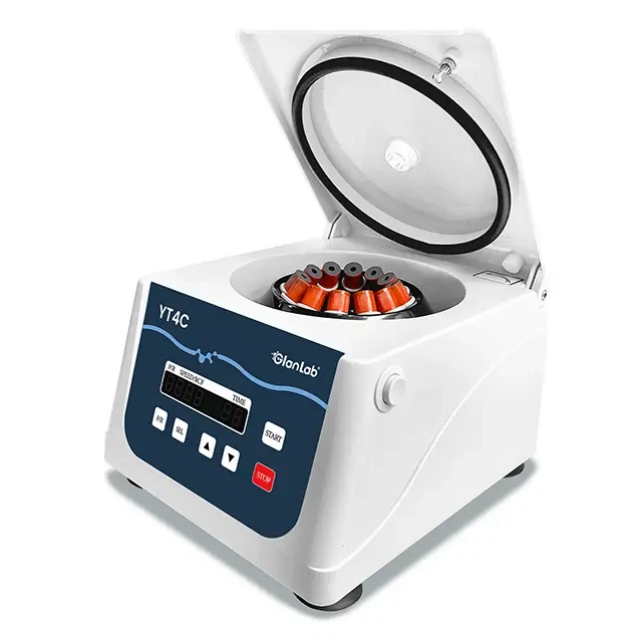
A PRP centrifuge machine is a specialized device that spins whole blood at high speeds, creating centrifugal force that causes the blood to separate into different layers. These layers include red blood cells, white blood cells, plasma, and platelets. By concentrating the platelets and plasma, the PRP centrifuge allows for the extraction of Platelet-Rich Plasma, a mixture that contains a high concentration of platelets, growth factors, and cytokines. This PRP is then used for various treatments, such as wound healing, skin rejuvenation, and hair restoration. The machine's ability to effectively separate these components plays a significant role in determining the quality of the PRP prepared for use in clinical applications.
Key Performance Metrics to Consider Before Purchase
When selecting a PRP centrifuge machine, there are several essential performance metrics that should guide your decision. These metrics will help ensure that the machine fits your clinic's specific needs and will perform reliably.
Speed (RPM) and Relative Centrifugal Force (RCF)
The PRP centrifuge machine operates by spinning blood at specific speeds, measured in revolutions per minute (RPM). However, RPM alone is not enough to evaluate the centrifuge’s performance. Relative Centrifugal Force (RCF) is a more critical factor that represents the force exerted during centrifugation. RCF plays a vital role in determining how effectively the machine separates platelets and plasma. For optimal PRP extraction, you need to ensure that the machine offers an RCF range suitable for the type of PRP treatments your clinic offers.
Speed (RPM) | RCF Range | Recommended Application |
3,000-4,000 RPM | 1,500-2,000 RCF | Standard PRP therapy for facial treatments, minor wound healing |
4,500-5,000 RPM | 2,500-3,000 RCF | Advanced treatments like hair restoration, joint pain therapy |
Run Time and Programmable Protocols
Different PRP treatments require different centrifugation times. A PRP centrifuge machine with programmable protocols ensures that the machine operates consistently across treatments, reducing the chance of human error. This feature is especially useful for clinics offering a high volume of PRP treatments, as it saves time and guarantees standardization.
Tube Compatibility and Rotor Flexibility
PRP centrifuges are designed to accommodate various blood collection tubes, typically ranging from 10ml to 15ml in size. The ability to choose between different rotor types and tube sizes is essential for flexibility, especially when working with different PRP kits. Clinics that handle diverse PRP treatments can benefit from a machine that supports multiple tube and rotor combinations.
Tube Size | Compatible Rotors | Application |
10ml, 15ml | Fixed angle rotors, swing-out rotors | Suitable for general PRP procedures |
20ml | Fixed angle rotors | Ideal for larger blood volume samples or regenerative applications |
Safety Features and Certifications
Safety is a paramount concern in any medical device. A high-quality PRP centrifuge machine will have several safety features, such as automatic lid locking, imbalance detection, and emergency shutoff. These features help protect both the machine and the operator. Furthermore, it is crucial that the centrifuge has the necessary certifications, such as ISO 9001, ISO 13485, and CE certification, to ensure compliance with international health and safety standards.
Single-Spin vs Double-Spin Centrifugation — Which Is Better?
The type of centrifugation used can significantly impact the quality of the PRP produced. Single-spin centrifugation involves one round of spinning, typically at a high speed, to separate platelets from plasma. This method is faster and suitable for general PRP applications. On the other hand, double-spin centrifugation involves two rounds of spinning at different speeds, which helps to further concentrate the platelets and growth factors, making it ideal for treatments that require high-quality PRP, such as hair restoration or orthopedic therapies.
Spin Type | Key Benefits | Ideal Use |
Single Spin | Faster processing, suitable for basic PRP needs | General facial rejuvenation, minor wound healing |
Double Spin | Higher platelet concentration, enhanced efficacy | Hair restoration, joint pain treatment, advanced skin treatments |
Clinic Workflow and Capacity Considerations
The choice of PRP centrifuge machine also depends on the scale of your clinic and its specific workflow. Smaller clinics or those with limited patient volume may opt for benchtop models, which are compact and portable. These machines are suitable for lower-volume clinics, offering an excellent balance of speed and performance without taking up too much space. In contrast, larger clinics or those with higher patient throughput may require a floor-standing model with a higher capacity and faster centrifugation speed.
Clinic Size | Recommended Centrifuge Type | Benefits |
Small (1-3 practitioners) | Benchtop PRP centrifuge | Space-saving, easy-to-use, cost-effective |
Large (4+ practitioners) | Floor-standing PRP centrifuge | High capacity, faster processing, high RCF |
Product Features That Set Premium PRP Centrifuges Apart
When selecting a PRP centrifuge machine, premium models stand out due to their advanced features. The GLANLAB PRP centrifuge is an example of a high-quality machine that offers customizable programs, real-time RCF monitoring, and a user-friendly interface. The machine’s compatibility with a variety of PRP kits makes it a versatile option for clinics that treat a wide range of conditions. These features not only improve the precision of PRP preparation but also streamline clinic operations.
Feature | Benefit |
Customizable Programs | Ensures consistency and reduces errors |
Real-Time RCF Monitoring | Helps ensure proper centrifugation for optimal PRP quality |
Easy-to-Use Interface | Reduces operator training time and enhances user experience |
Multiple PRP Kit Compatibility | Allows versatility for different treatment protocols |
Conclusion
Choosing the right PRP centrifuge machine is a critical decision for any clinic offering PRP therapy. It directly impacts the quality of treatments and patient satisfaction. By considering essential factors like RCF, tube compatibility, and safety features, clinics can select a centrifuge that meets their needs and enhances operational efficiency. Premium PRP centrifuge machines like those offered by GlanLab provide added value with advanced features such as customizable programs and real-time RCF monitoring. For more information on PRP centrifuge machines or to inquire about our products, feel free to contact us today!
FAQ
What makes a PRP centrifuge different from a regular centrifuge?
A PRP centrifuge machine is specifically designed to separate the components of blood into distinct layers to isolate the platelets and plasma, whereas regular centrifuges may not have the necessary parameters to optimize the PRP separation.
Can I use a single-spin centrifuge for all types of PRP treatments?
While single-spin centrifuges are suitable for most PRP treatments, double-spin centrifugation may be preferred for more advanced applications, such as hair restoration, due to its ability to concentrate platelets more effectively.
What is the ideal RCF for PRP treatments?
The ideal RCF depends on the treatment type. A general PRP treatment requires an RCF between 1,500-2,000, while advanced treatments may require higher RCFs for better platelet concentration.
How often should a PRP centrifuge be serviced?
Routine maintenance should include checking for rotor wear, cleaning, and ensuring that safety features like imbalance detection are functioning. It is advisable to have the machine professionally serviced at least once a year.


