


Micro High Speed 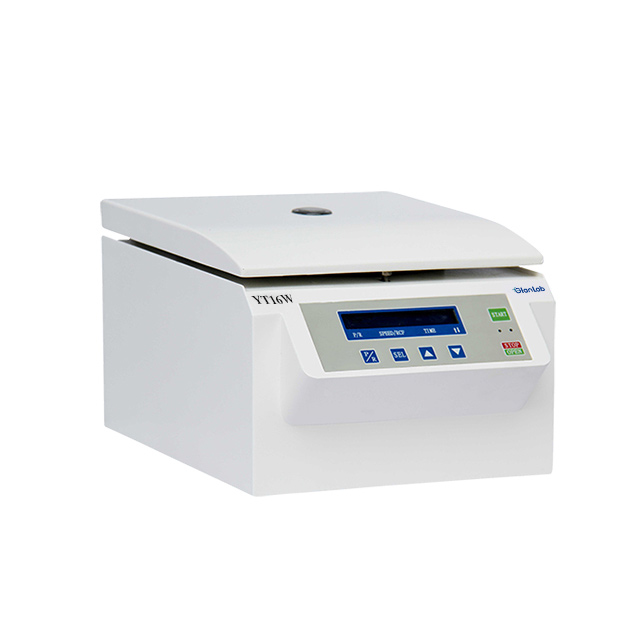
YT16W
16,000 rpm 19,040 ×g 10 × 5 mL max platform capacity
A compact micro high-speed platform with rotor options for 0.2 mL, 0.5 mL, 1.5/2 mL and 5 mL formats.
View YT16W →
Views: 0 Author: Site Editor Publish Time: 2026-09-29 Origin: Site


A high maximum RPM does not define a useful high speed centrifuge by itself. The practical configuration is determined by the required RCF, sample vessel, samples per run, rotor geometry and temperature requirement .
For buyers comparing GlanLab high speed centrifuge options, the useful sequence is: define the workflow first, identify the rotor that can perform it, then select the machine platform that supports that rotor within the required operating envelope.
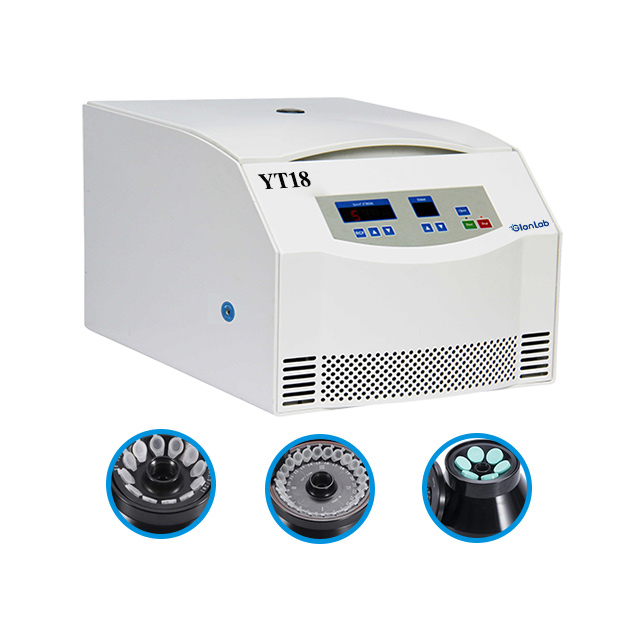
High speed centrifuges serve very different workloads. A 0.5–2 mL microtube workflow, a 50–100 mL conical-tube workflow and a 4 × 1000 mL batch do not belong in the same purchasing comparison simply because all three can involve high-speed separation.
Start here when the workload is dominated by microtubes, small sample volumes and relatively high RCF. Compact dimensions can be useful, but tube format and the RCF available from the selected rotor should remain the primary filters.
Choose a universal platform when one laboratory needs several tube sizes or several rotor configurations. In this class, the rotor range can be more important than the difference between two headline RPM figures.
When microtubes, larger tubes, PCR formats, plates or larger-volume rotors may all be required on one platform, evaluate the complete rotor family. Refrigeration becomes a separate requirement when sample temperature needs to remain controlled during the run.
Once the requirement moves into hundreds of millilitres or litres per run, throughput, rotor capacity, refrigeration, electrical demand and installation space become part of the selection. The question is no longer only how fast the machine can spin, but how much material it can process at the required force.
RPM describes rotational speed. RCF describes the centrifugal force applied to the sample. Because RCF also depends on rotor radius, the same RPM can correspond to different force values on different rotors. The rotor is therefore part of the performance specification, not an accessory to be considered after the machine has already been chosen.
If the method specifies RCF, compare the required RCF with the rating of the exact rotor and vessel configuration. If an existing method specifies only RPM, provide the old rotor model or rotor radius where possible before assuming that the same RPM on a different centrifuge will reproduce the same force.
The usable limit is also governed by the lowest safe rating in the assembled system: centrifuge, rotor, bucket or adapter, and sample vessel.
Related technical references: RPM vs RCF for laboratory buyers and centrifuge rotor selection .
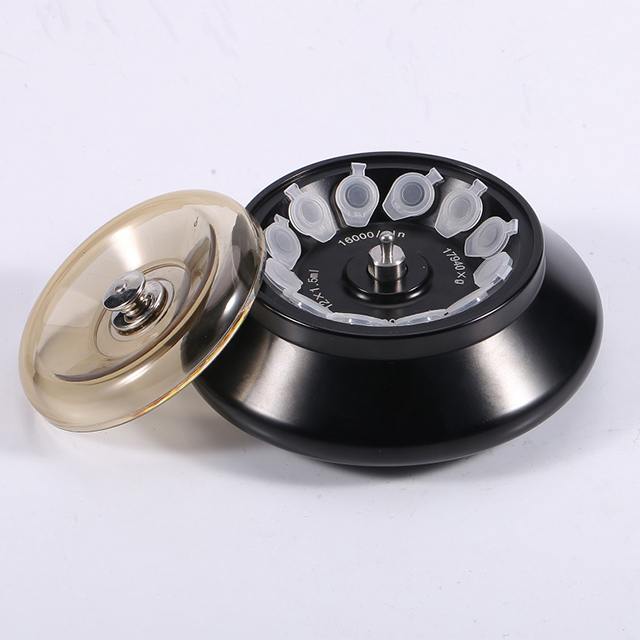
The models below are grouped by the type of purchasing problem they solve. Published machine maximums are shown as platform references; actual operating limits depend on the selected rotor, adapter and vessel.
Suitable when microtube compatibility is the dominant requirement and the laboratory does not need a large-volume rotor platform.
A compact micro high-speed platform with rotor options for 0.2 mL, 0.5 mL, 1.5/2 mL and 5 mL formats.
View YT16W →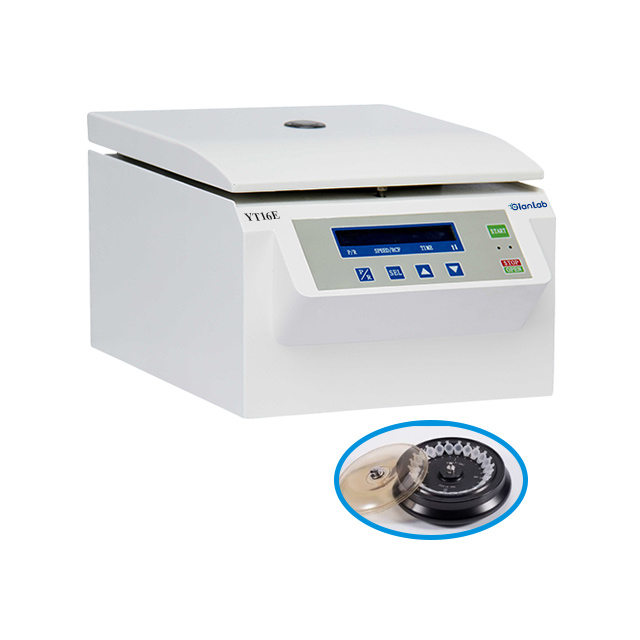
A micro high-speed platform for 0.2–10 mL formats and PCR rotor options; the YT16ER version adds refrigerated operation.
View YT16E / YT16ER →Use this group when the centrifuge is expected to cover more than one laboratory workflow and the available rotor family is central to the purchase.
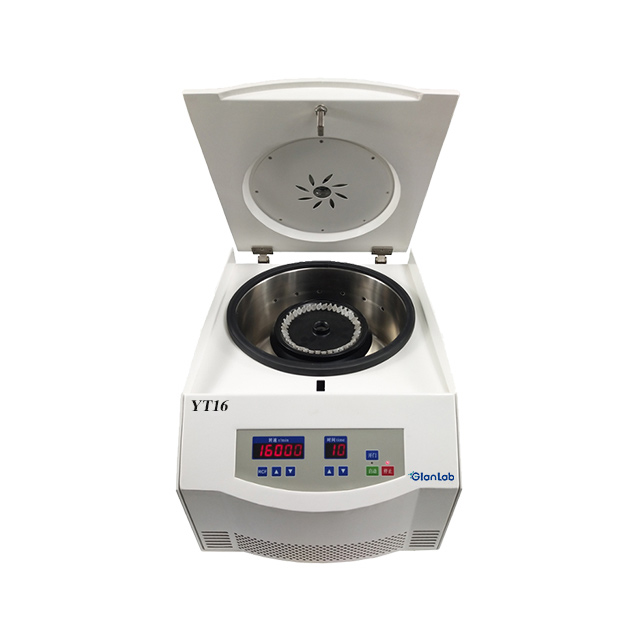
A universal benchtop platform with published rotor configurations spanning microtubes, PCR formats and larger tubes up to 100 mL.
View YT16 / YT16R →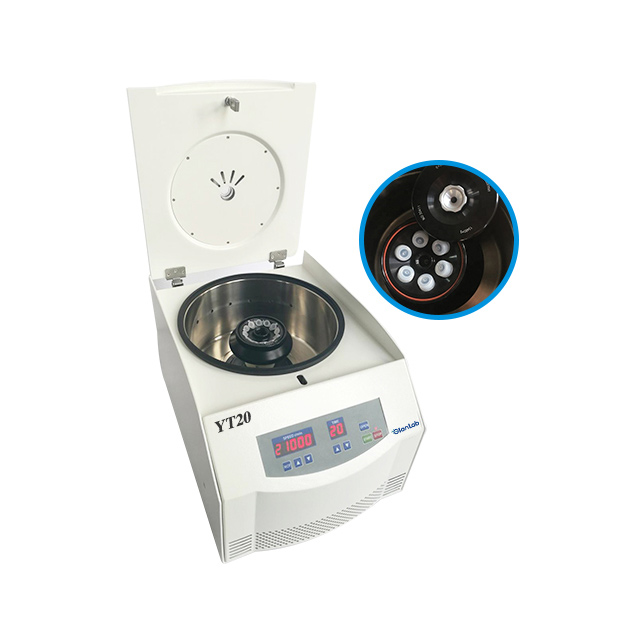
A higher-force benchtop platform with a broad fixed-angle rotor range plus PCR, swing and microplate options.
View YT20 / YT20R → A broad multi-rotor platform covering microtubes, PCR formats, 15–100 mL tubes, microplates and larger-capacity swing configurations.
View YT18 / YT18R →These platforms become relevant when sample volume or throughput moves beyond normal benchtop work and the laboratory needs larger rotors or a floor-standing configuration.
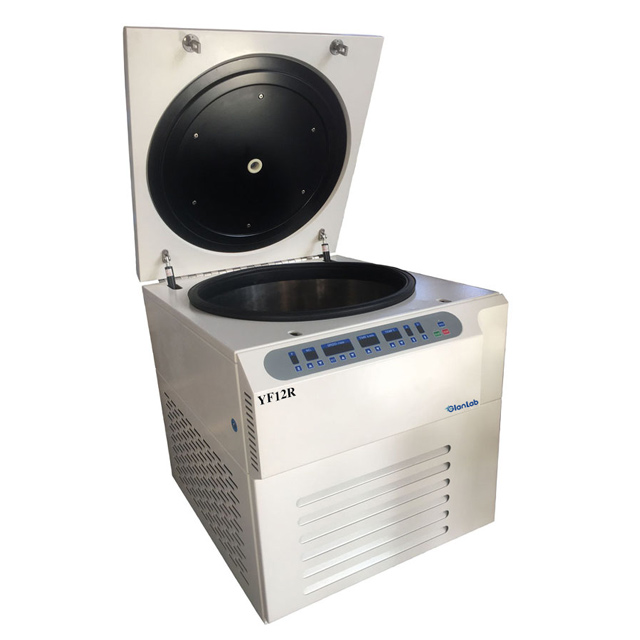
A refrigerated floor-standing system with high-speed fixed-angle, 4 × 1000 mL swing and microplate rotor options.
View YF12R →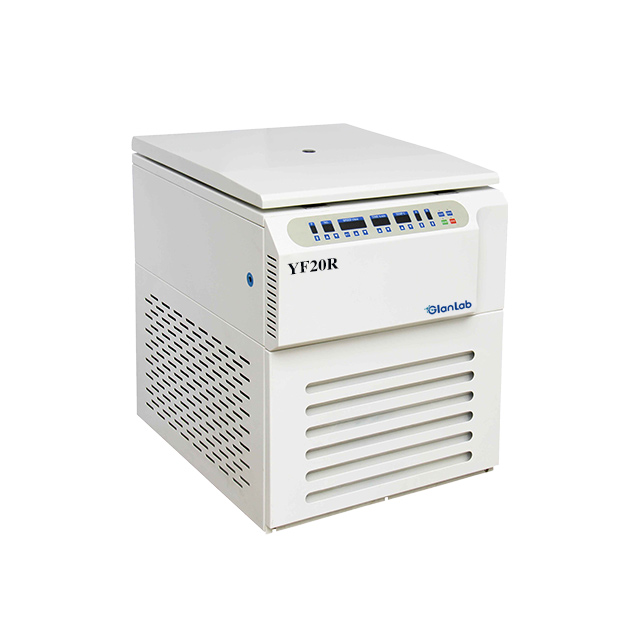
A refrigerated floor platform supporting fixed, swing, vertical and microplate rotor configurations across micro, PCR and larger-volume workflows.
View YF20R →The following table is useful for narrowing the range before a quotation. The published maximum values describe the machine platform; confirm the exact rotor limits for the vessel and RCF required by the method.
| Model | Platform Type | Max Speed | Max RCF | Max Platform Capacity | Refrigerated Option / Range | Best Starting Point When... |
|---|---|---|---|---|---|---|
| YT16W | Micro benchtop | 16,000 rpm | 19,040 ×g | 10 × 5 mL | No | Most work is small-volume microtube processing. |
| YT16E / YT16ER | Micro benchtop | 16,000 rpm | 17,940 ×g | 6 × 10 mL | YT16ER: -20 to 40°C | Microtube/PCR work may also require refrigeration. |
| YT16 / YT16R | Universal benchtop | 16,000 rpm | 20,600 ×g | 6 × 100 mL | YT16R: -20 to 40°C | The lab needs multiple tube sizes on one benchtop platform. |
| YT20 / YT20R | High-RCF benchtop | 21,000 rpm | 30,910 ×g | 6 × 100 mL | YT20R: -20 to 40°C | Higher RCF is required while retaining broad rotor choice. |
| YT18 / YT18R | Multi-rotor benchtop | 21,000 rpm | 30,910 ×g | 4 × 800 mL | YT18R: -20 to 40°C | One platform needs to cover micro through larger-capacity rotor formats. |
| YF12R | Large-capacity floor | 12,000 rpm | 22,650 ×g | 4 × 1000 mL | -20 to 40°C | Batch volume and refrigerated larger-capacity work are priorities. |
| YF20R | Multi-purpose floor | 21,000 rpm | 30,910 ×g | 4 × 800 mL | -20 to 40°C | A floor platform must support several rotor and vessel families. |
Start with YT16W or YT16E/ER and compare the exact microtube or PCR rotor that matches the method.
Start with YT16, YT20 or YT18 and compare rotor capacity at the required RCF rather than machine RPM alone.
Move directly to the refrigerated version and confirm the required temperature range together with the real rotor and load.
Compare YT18R, YF12R or YF20R according to vessel format, batch size, RCF, floor space and electrical requirement.
A useful quotation should identify the centrifuge and the rotor system, not only a machine model. Providing the information below reduces the risk of receiving a configuration that reaches the requested speed but does not fit the actual sample workflow.
Provide the sample vessel, required RCF, samples per run, temperature requirement, voltage and quantity. GlanLab can then narrow the relevant machine and rotor combinations before quotation.
