A distributor may have access to dozens of centrifuge models and still struggle to build a reliable product line. The difficulty usually appears later: sales teams quote different rotors, vessel compatibility is unclear, replacement accessories are hard to identify, or the second order no longer matches the first.
For centrifuges, distribution therefore requires more than product availability. Each commercial SKU needs a technical identity that connects the machine to the rotor, adapter, vessel, RCF, electrical configuration and included accessories.
What should a centrifuge distributor standardize? At minimum: the machine model, rotor, adapter, vessel compatibility, RCF, capacity, electrical configuration, included accessories and repeat-order identity.
1. Build the range around end-user workflows, not only the manufacturer's catalogue
Manufacturer catalogues are normally organised by product architecture: low speed, high speed, refrigerated, benchtop, floor-standing, micro, blood, plate and large capacity. That structure is useful for engineering and product management, but it is not always the clearest way for a local distributor to sell.
End users usually approach the purchase from the workflow. A hospital may need to process routine blood tubes. A molecular laboratory may be working with 1.5 or 2 mL microtubes at higher RCF. Another customer may need temperature control, microplates or a larger batch of 50 mL tubes.
Manufacturer catalogue logic Low Speed · High Speed · Refrigerated · Benchtop · Floor-standing
Distributor selling logic Routine Clinical · Micro Sample Preparation · Temperature-Controlled · Plate/PCR · Large-Capacity Projects
A distributor range becomes easier to manage when each category corresponds to a recognisable customer workflow. For more specialised applications, the selection should continue from Application → Vessel → RCF → Rotor, rather than from a catalogue label alone.
2. Convert each machine into a sellable configuration
The model number printed on the centrifuge is not enough to define a distributor SKU. The commercial configuration should describe the working system that the end user actually receives.
Sellable configuration Machine Rotor Adapter Vessel RCF / Capacity Electrical Accessories Order Identity
This matters because one centrifuge platform may support several rotors with different capacities, vessel types and maximum RCF values. If the distributor only standardises the machine model, two salespeople may quote technically different products under the same commercial description.
A clearer internal record links the machine to the exact rotor and adapter combination, the supported tube or bottle format, the usable RCF, the electrical version and the accessories included in the quotation. That information makes quotations more consistent and later reorders easier to identify.
3. Separate the core range from project-driven centrifuges
A strong distributor portfolio does not require every available centrifuge to be treated as a routine stock item. Standardise the configurations that correspond to recurring demand and keep technically complex systems project-driven.
Core range
Best suited to applications that appear repeatedly in the local market and can be quoted with a defined configuration.
- Common customer workflows
- Defined rotor and adapter combinations
- Repeatable electrical configuration
- Clear sales documentation
- Easy reorder identification
Project-driven range
Better confirmed after the end user's actual vessel, RCF, capacity and operating conditions are known.
- Large-capacity refrigerated systems
- Blood-bag or specialised vessel applications
- Custom rotor requirements
- Defined documentation or market requirements
- OEM or technically modified configurations
The distinction reduces unnecessary SKU complexity. It also helps the sales team know which products can be quoted immediately and which ones require additional technical confirmation before a commercial offer is finalised.
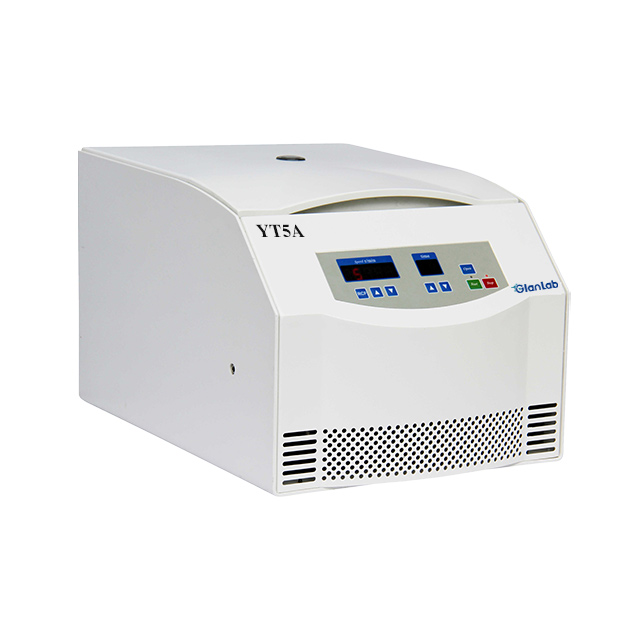
YT5A
A routine non-refrigerated platform that can illustrate a clearly defined standard configuration.
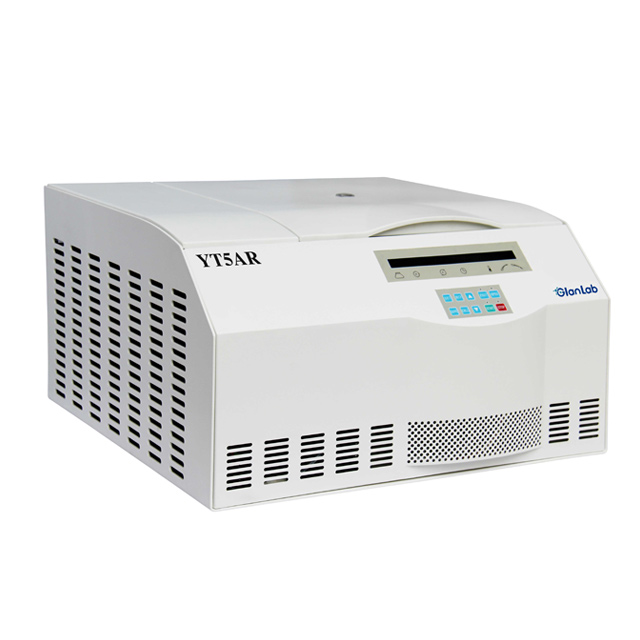
View YT5A → YT5AR
Refrigeration changes the commercial configuration because temperature performance and electrical demand must also be defined.
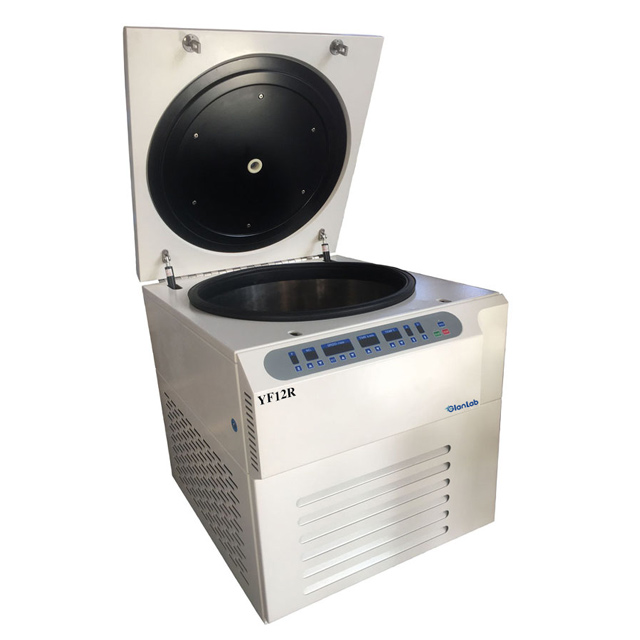
View YT5AR → YF12R
A large-capacity floor-standing system is better handled as a project configuration with rotor, power and logistics confirmed together.
View YF12R → 4. Use the first order to validate the commercial configuration
The first distributor order should do more than establish a purchase price. It should confirm whether the selected configuration can be quoted, received, supported and reordered without rebuilding the technical specification from the beginning.
Before treating a centrifuge as a repeatable SKU, confirm the rotor fit, vessel compatibility, actual RCF and capacity, electrical version, included accessories and the information that will identify the same configuration in the next order.
First-order objective: leave the distributor with an approved commercial configuration, not only an invoice and model number.
Order quantity can be discussed according to the product and project. GlanLab currently supports distribution, wholesale, single-unit orders and OEM/ODM enquiries. However, standard products, OEM projects, custom rotors and large refrigerated systems should not be assumed to share identical commercial conditions or lead times.
5. Rotor, adapter and configuration continuity determine long-term supply quality
A centrifuge remains commercially active after the main unit is sold. Customers may later need another rotor, a different adapter, replacement accessories or a configuration for a new vessel. The distributor therefore needs a compatibility record that extends beyond the initial machine sale.
| Machine | Rotor | Adapter | Vessel | Max RPM / RCF | Commercial Status |
| Core Model A | Rotor A1 | Not required | Routine tube format | Defined with rotor | Standard SKU |
| Core Model A | Rotor A2 | Adapter X | Alternative tube format | Reconfirm | Optional configuration |
| Project Model B | Rotor B1 | Project-specific | Special vessel | Project confirmation | Quote by application |
The same principle applies when a product changes. A new rotor, revised adapter, accessory update, electrical change or replacement model can affect an existing distributor SKU even if the centrifuge still performs a similar role.
Configuration continuity is part of supply reliability. Repeat supply means knowing whether the approved machine–rotor–adapter–vessel relationship remains the same, not only whether another unit is available.
6. Distributor support should reduce the technical burden after the sale
The local distributor is normally the first point of contact for the end user. Upstream support is therefore most valuable when it helps the distributor resolve application, configuration and product questions that cannot be answered from a catalogue alone.
Application support
Clarify rotor, adapter, vessel and RCF questions when a customer workflow needs technical confirmation.
Troubleshooting support
Provide a route for vibration, alarm, operating or configuration questions that require upstream review.
Replacement and repeat supply
Use model and previous-order information to identify rotors, accessories and repeat configurations more accurately.
GlanLab's current support information includes technical support, problem analysis, video support, after-sales service, rotors and centrifuge tubes, as well as historical order records. For distributors, these functions are most useful when they are tied back to the exact model and configuration already supplied.
7. Start a distributor enquiry with the market, not only a request for the full price list
A full catalogue and wholesale price list can be useful later, but they do not identify which centrifuge configurations are most relevant to a distributor's market.
A more productive first enquiry includes the destination market, customer types, common applications, vessel formats, required RCF range, expected capacity, refrigeration needs, estimated quantity, local voltage/frequency and whether OEM is required.
This information makes it possible to define a smaller core range first and expand it as actual customer demand becomes clearer.
Discuss Distributor Supply With GlanLab
If you are building or expanding a centrifuge product line, send the market and application information first. GlanLab can then discuss suitable centrifuge and rotor configurations, quantities, OEM requirements and repeat-supply needs for the project.
Country / Market Customer Type Main Applications Tube / Vessel Required RCF Capacity Refrigerated? Quantity Voltage / Frequency OEM Requirement
Discuss Distributor Supply